
Sym Breathe
Sym Breathe is a globally accessible app that unites everyday users, meditators, and health consultants through guided breathing exercises.
Mobile application
Fitness
About Sym breathe
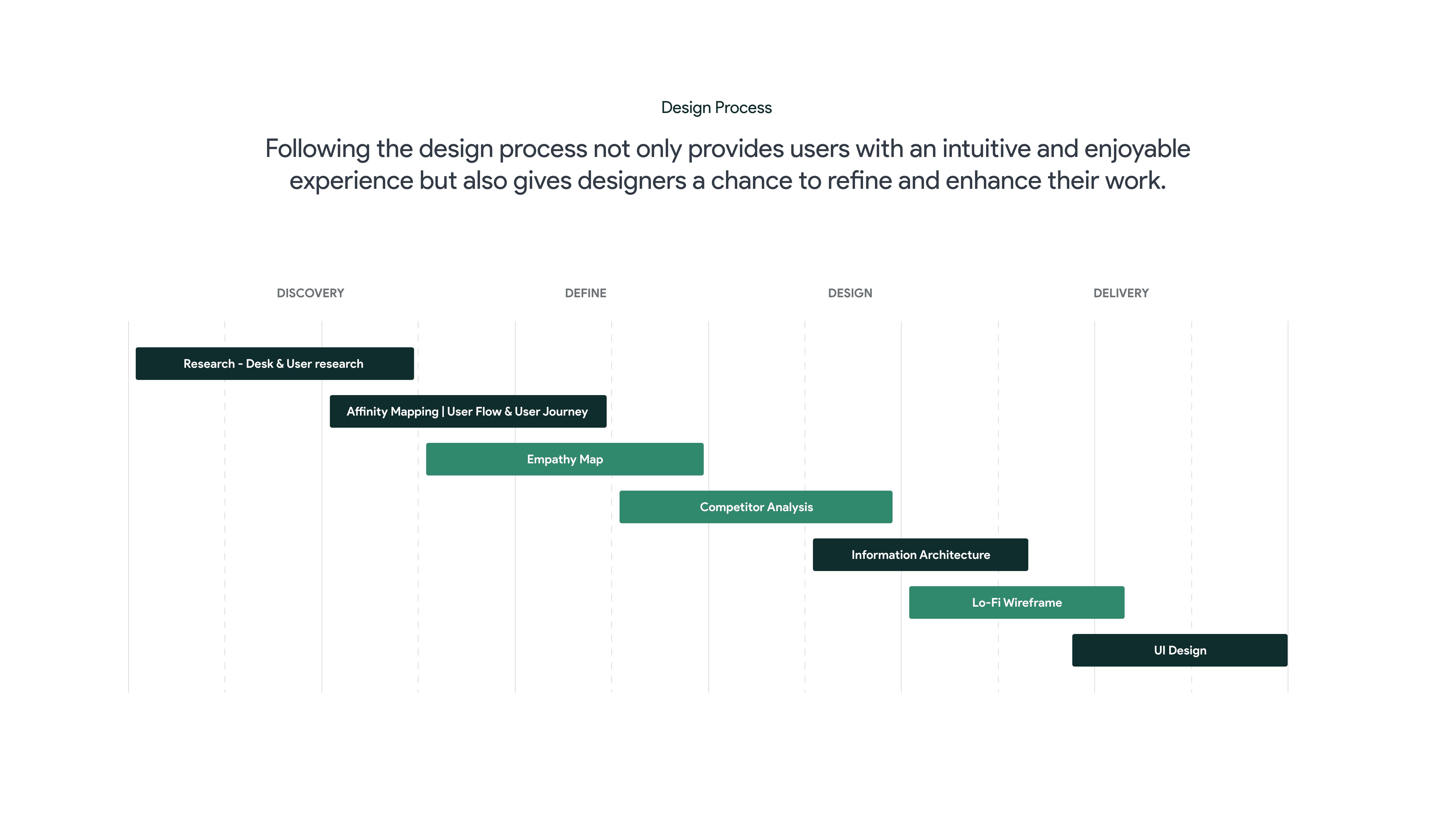
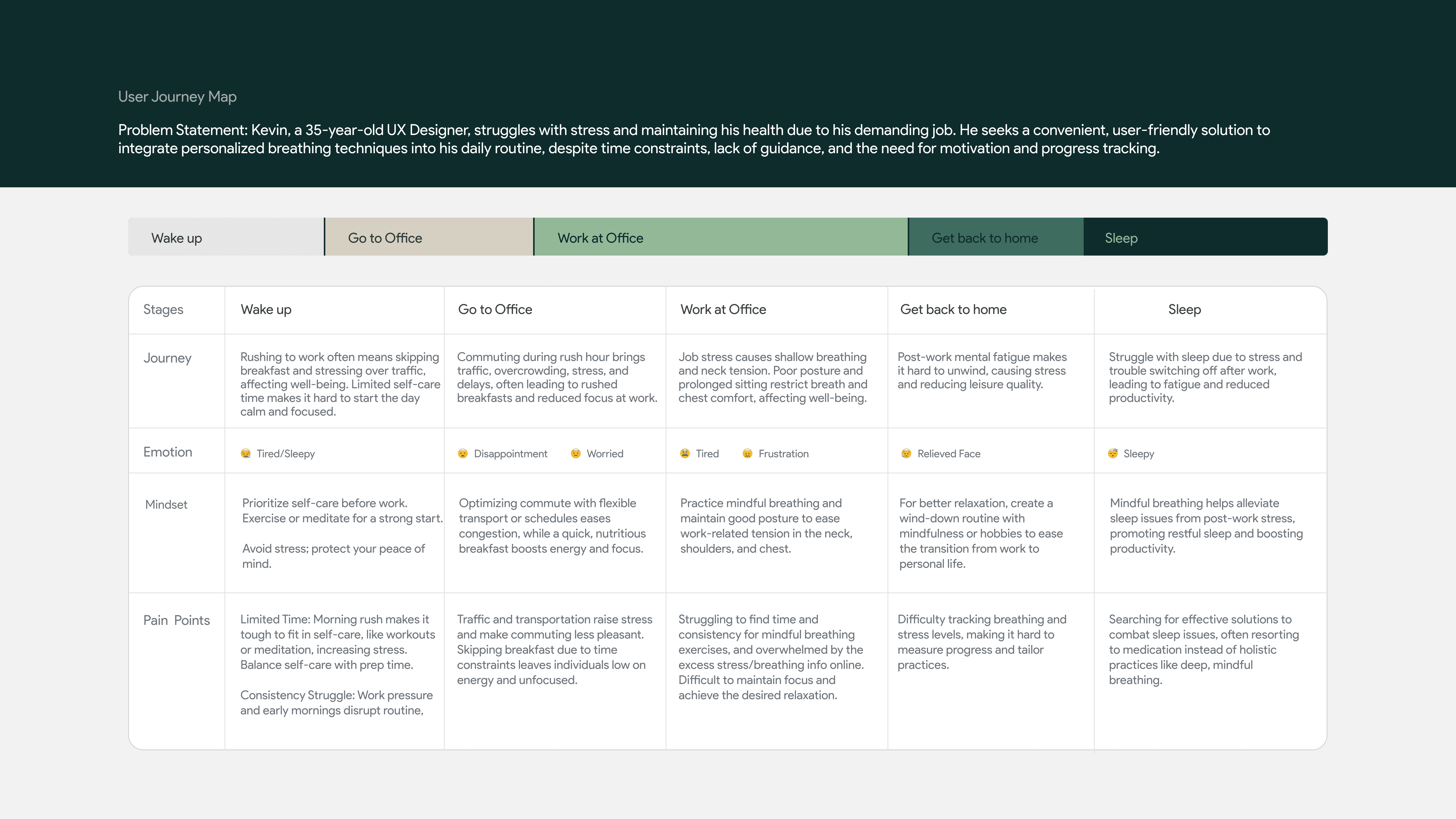
Deep Sym is a UK-based startup that has developed a smart breathing device with sensors to help people practice deep breathing exercises. They need a simple and user-friendly app to support the device, track breathing patterns, and improve the overall experience.®

Desk research
According to studies, 74% of people in the UK experienced feelings of overwhelm or anxiety at some point in the previous year.
Respiratory health findings
In the UK, 585,000 cases of respiratory disease are diagnosed each year, with COPD and asthma accounting for 50% of these cases. Idiopathic pulmonary fibrosis (IPF) is becoming increasingly prevalent than was previously thought.
The North-West and South-West of England have the highest prevalence of lung illness, with an anticipated 12 million people in the UK having ever received a diagnosis. Approximately one fifth of all deaths in the UK are attributable to lung illness, which claims about 115,000 lives annually. Scotland, the North-West, and the North-East have the highest mortality rates.
Around 40–41% of London adults report experiencing significant anxiety or feeling “nervous, anxious, or on edge.”
A 2025 mental health survey estimated that about 4.2 million Londoners were affected by poor mental health symptoms.
Breathing-related conditions are also widespread:
About 600,000 people in London have asthma, including around 240,000 children.
Air pollution contributes to thousands of breathing-related hospital admissions each year.
Studies suggest dysfunctional breathing and anxiety-related breathlessness may affect up to 12% of adults.
User Research
Deep breathing calms the nervous system, lower heart rate, and promotes relaxation for mental clarity and peace.
Survey data from various age groups reveal that while half have heard of breath-focused practices, they lack familiarity; the rest have some knowledge. Additionally, 40% experience breathing difficulties occasionally (2-3 times a month) or frequently (1-2 times a week).
User I : Using an app to monitor breathing patterns sounds helpful for tracking health, and open to trying new health monitoring technology
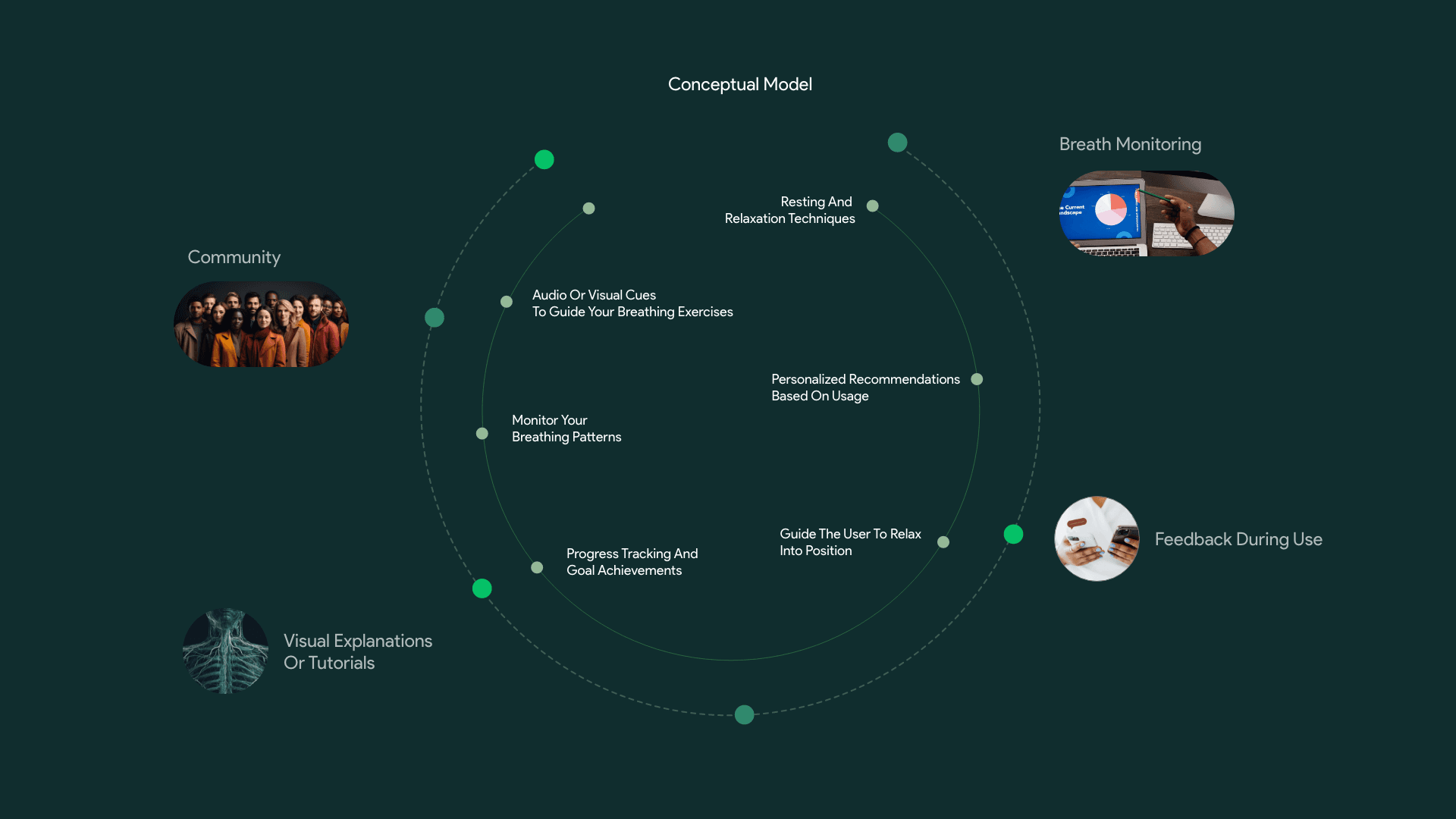
User II : Integrate real-time visual breathing patterns, guided tutorials, and goal-based challenges for a more interactive experience.
User III : Prefer guided breathing exercises with valuable content, personalized recommendations, rewards, and a user-friendly interface for motivation.

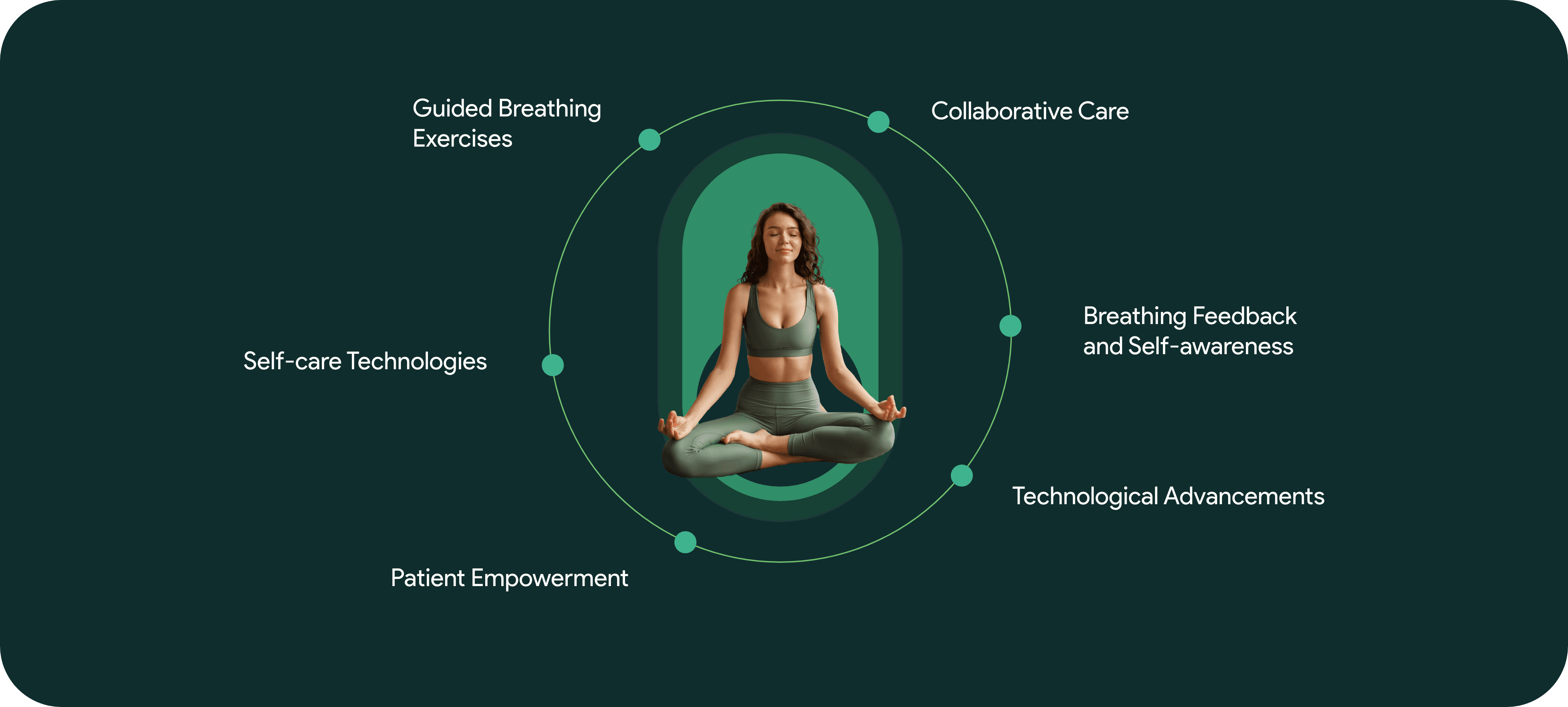
Key Takeaways | Insights
Technological Innovations Enhance Self-Care and Patient Empowerment in Healthcare Management



More Works
©2024


Sym Breathe
Sym Breathe is a globally accessible app that unites everyday users, meditators, and health consultants through guided breathing exercises.
Mobile application
Fitness
About Sym breathe
Deep Sym is a UK-based startup that has developed a smart breathing device with sensors to help people practice deep breathing exercises. They need a simple and user-friendly app to support the device, track breathing patterns, and improve the overall experience.®
Desk research
According to studies, 74% of people in the UK experienced feelings of overwhelm or anxiety at some point in the previous year.
Respiratory health findings
In the UK, 585,000 cases of respiratory disease are diagnosed each year, with COPD and asthma accounting for 50% of these cases. Idiopathic pulmonary fibrosis (IPF) is becoming increasingly prevalent than was previously thought.
The North-West and South-West of England have the highest prevalence of lung illness, with an anticipated 12 million people in the UK having ever received a diagnosis. Approximately one fifth of all deaths in the UK are attributable to lung illness, which claims about 115,000 lives annually. Scotland, the North-West, and the North-East have the highest mortality rates.
Around 40–41% of London adults report experiencing significant anxiety or feeling “nervous, anxious, or on edge.”
A 2025 mental health survey estimated that about 4.2 million Londoners were affected by poor mental health symptoms.
Breathing-related conditions are also widespread:
About 600,000 people in London have asthma, including around 240,000 children.
Air pollution contributes to thousands of breathing-related hospital admissions each year.
Studies suggest dysfunctional breathing and anxiety-related breathlessness may affect up to 12% of adults.
User Research
Deep breathing calms the nervous system, lower heart rate, and promotes relaxation for mental clarity and peace.
Survey data from various age groups reveal that while half have heard of breath-focused practices, they lack familiarity; the rest have some knowledge. Additionally, 40% experience breathing difficulties occasionally (2-3 times a month) or frequently (1-2 times a week).
User I : Using an app to monitor breathing patterns sounds helpful for tracking health, and open to trying new health monitoring technology
User II : Integrate real-time visual breathing patterns, guided tutorials, and goal-based challenges for a more interactive experience.
User III : Prefer guided breathing exercises with valuable content, personalized recommendations, rewards, and a user-friendly interface for motivation.
Key Takeaways | Insights
Technological Innovations Enhance Self-Care and Patient Empowerment in Healthcare Management
More Works
©2024
Sym Breathe
Sym Breathe is a globally accessible app that unites everyday users, meditators, and health consultants through guided breathing exercises.
Mobile application
Fitness
About Sym breathe
Deep Sym is a UK-based startup that has developed a smart breathing device with sensors to help people practice deep breathing exercises. They need a simple and user-friendly app to support the device, track breathing patterns, and improve the overall experience.®
Desk research
According to studies, 74% of people in the UK experienced feelings of overwhelm or anxiety at some point in the previous year.
Respiratory health findings
In the UK, 585,000 cases of respiratory disease are diagnosed each year, with COPD and asthma accounting for 50% of these cases. Idiopathic pulmonary fibrosis (IPF) is becoming increasingly prevalent than was previously thought.
The North-West and South-West of England have the highest prevalence of lung illness, with an anticipated 12 million people in the UK having ever received a diagnosis. Approximately one fifth of all deaths in the UK are attributable to lung illness, which claims about 115,000 lives annually. Scotland, the North-West, and the North-East have the highest mortality rates.
Around 40–41% of London adults report experiencing significant anxiety or feeling “nervous, anxious, or on edge.”
A 2025 mental health survey estimated that about 4.2 million Londoners were affected by poor mental health symptoms.
Breathing-related conditions are also widespread:
About 600,000 people in London have asthma, including around 240,000 children.
Air pollution contributes to thousands of breathing-related hospital admissions each year.
Studies suggest dysfunctional breathing and anxiety-related breathlessness may affect up to 12% of adults.
User Research
Deep breathing calms the nervous system, lower heart rate, and promotes relaxation for mental clarity and peace.
Survey data from various age groups reveal that while half have heard of breath-focused practices, they lack familiarity; the rest have some knowledge. Additionally, 40% experience breathing difficulties occasionally (2-3 times a month) or frequently (1-2 times a week).
User I : Using an app to monitor breathing patterns sounds helpful for tracking health, and open to trying new health monitoring technology
User II : Integrate real-time visual breathing patterns, guided tutorials, and goal-based challenges for a more interactive experience.
User III : Prefer guided breathing exercises with valuable content, personalized recommendations, rewards, and a user-friendly interface for motivation.
Key Takeaways | Insights
Technological Innovations Enhance Self-Care and Patient Empowerment in Healthcare Management
More Works
©2024